House Plant Dropship
'Autumn' Fern
'Autumn' Fern
Couldn't load pickup availability
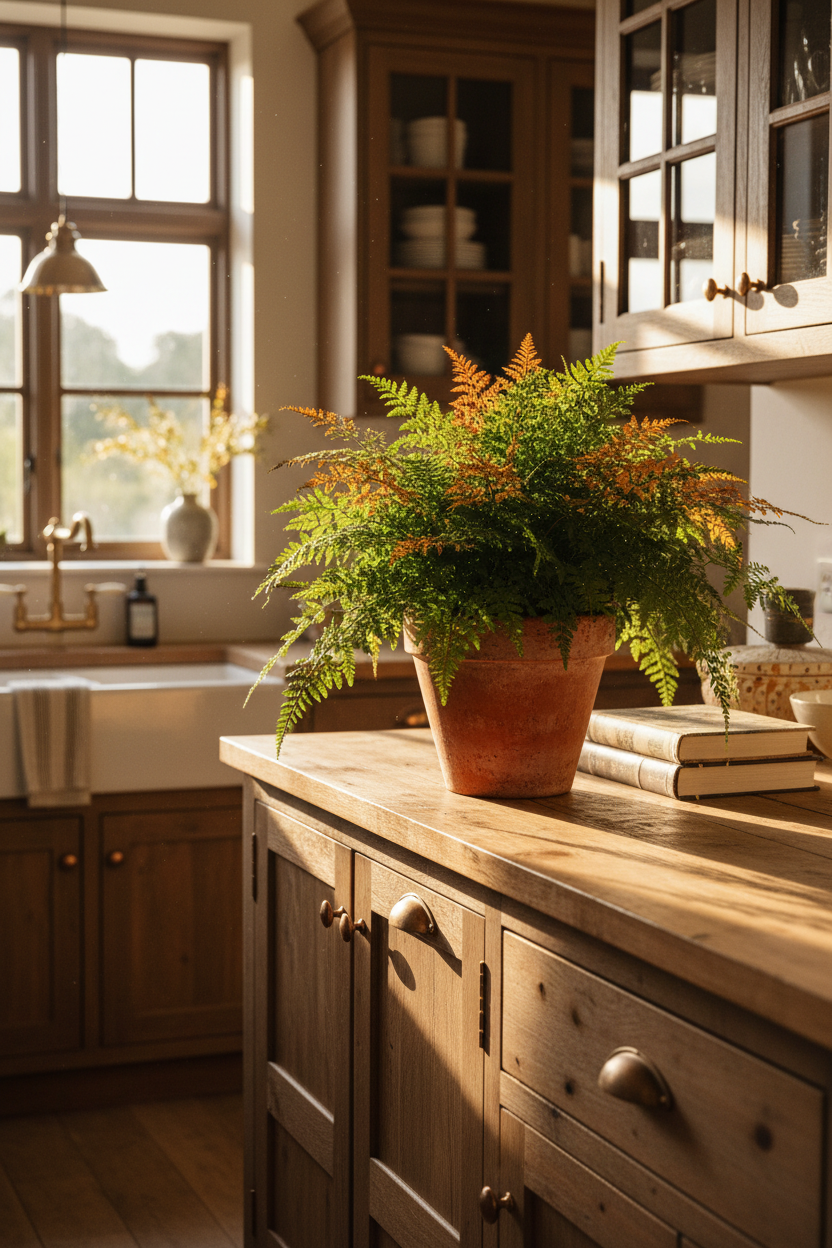
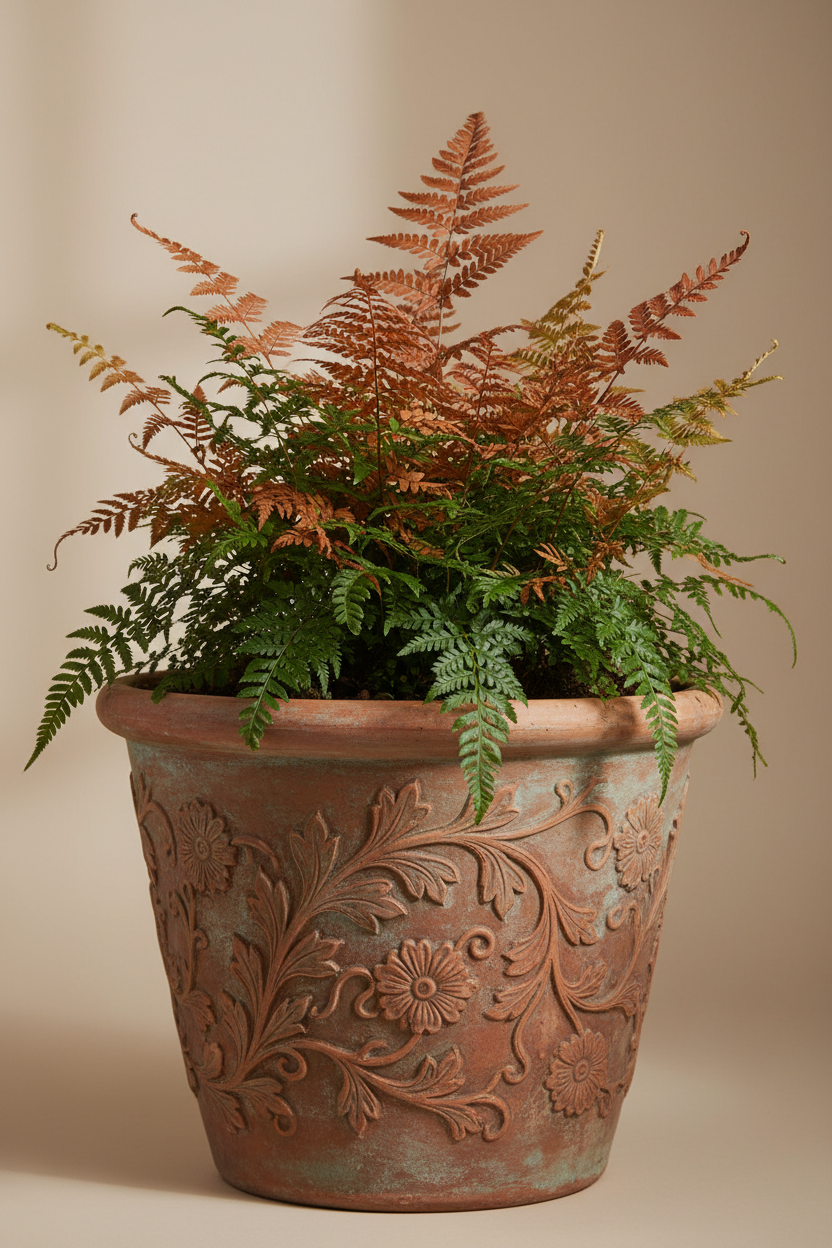
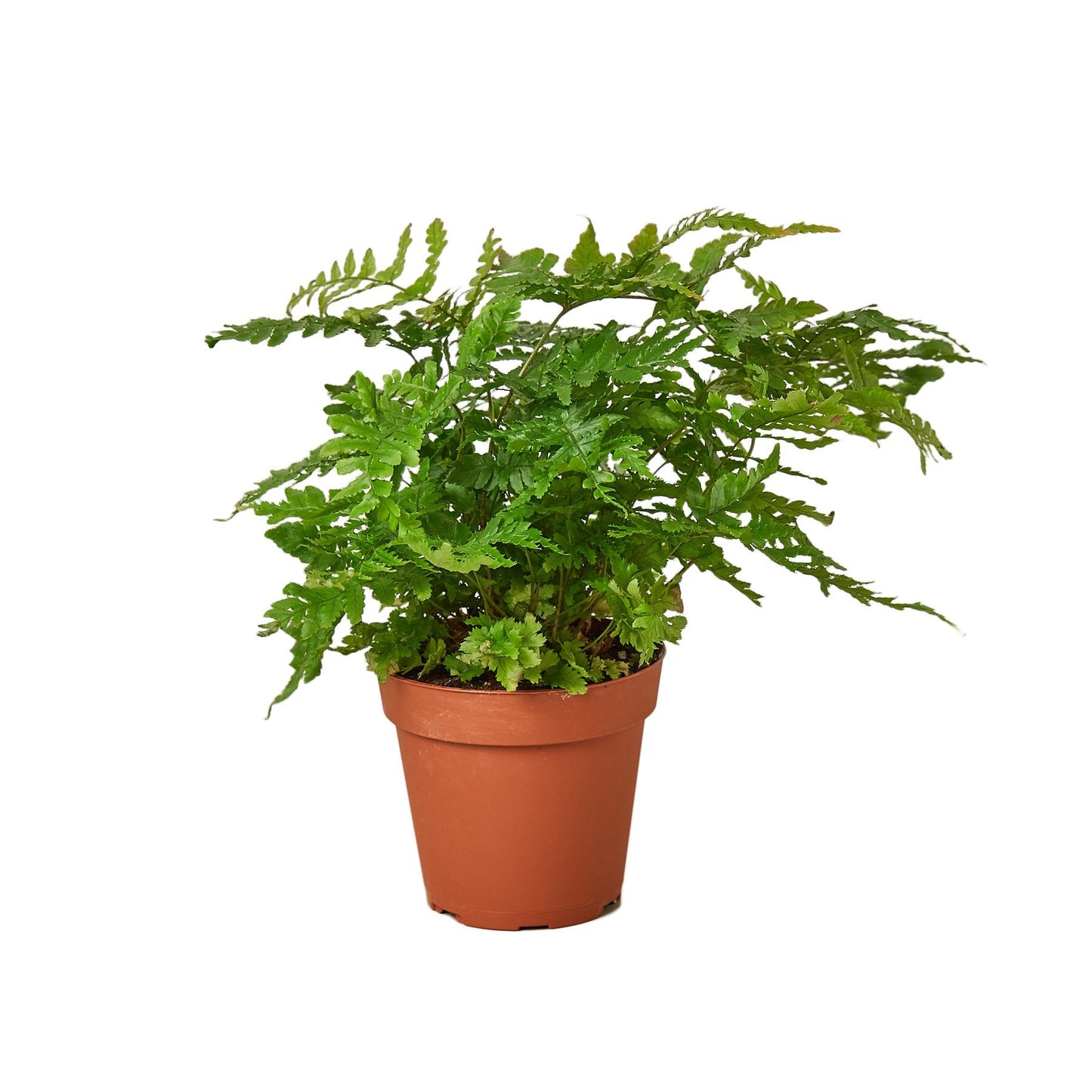
Nature’s own color show — the Autumn Fern is one of the most breathtaking seasonal performers in the plant world. When new fronds emerge in spring, they unfurl in a stunning display of reddish-copper and bronze — as vivid as autumn leaves — before maturing into a rich, deep green that lasts through the seasons. It’s like having fall foliage in your home all year long.
Native to the forests of east Asia, Dryopteris erythrosora is a semi-evergreen fern that brings bold, dramatic color to shaded spaces where most plants struggle. Whether grown indoors as a statement houseplant or outdoors as a lush ornamental perennial, the Autumn Fern delivers year-round beauty with surprisingly easy care.
🌿 Plant Details
- Botanical Name: Dryopteris erythrosora
- Common Names: Autumn Fern, Japanese Wood Fern, Copper Shield Fern
- Origin: East Asia (Japan, China, Korea)
- Available Sizes: 4" Nursery Pot | 6" Nursery Pot
- Type: Semi-evergreen fern
- Pet Safe: ⚠️ Check with your vet if you have pets
- Difficulty: Easy to moderate
☀️ Care Guide
- Light: Partial to full shade; avoid direct sun, which can scorch the delicate fronds
- Water: Keep soil consistently moist; water when the top inch feels dry
- Humidity: Appreciates moderate to high humidity; mist occasionally or use a pebble tray
- Temperature: Prefers warmer climates; 60–80°F (15–27°C)
- Soil: Rich, well-draining, moisture-retentive potting mix
- Fertilizer: Feed monthly in spring and summer with a balanced liquid fertilizer
🍂 Why You’ll Love It
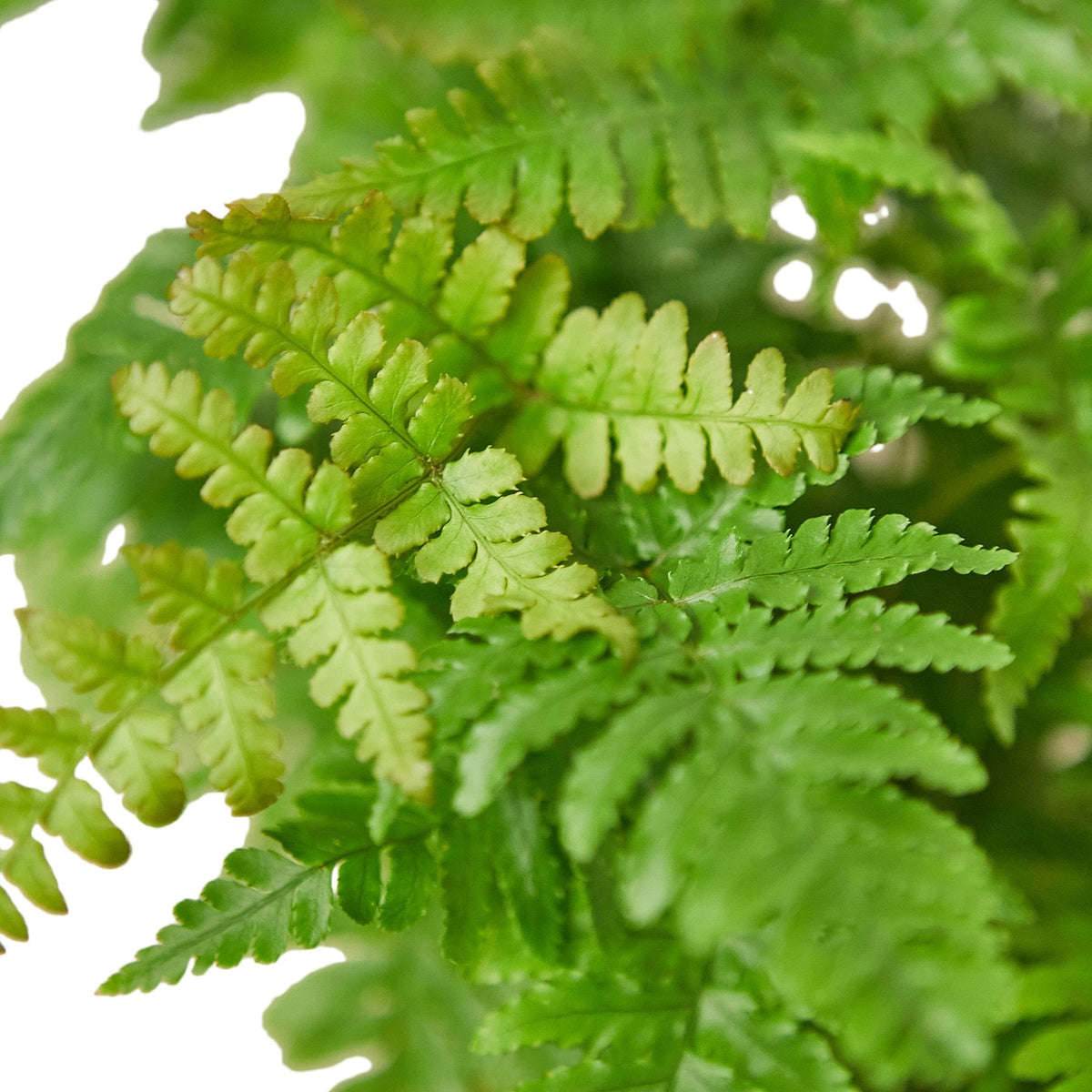
- Stunning copper-red new growth that matures to deep, glossy green
- One of the most dramatic color-changing ferns available
- Thrives in shade — perfect for low-light rooms, bathrooms, and shaded patios
- Semi-evergreen — retains foliage through most of the year
- Versatile indoors and outdoors as an ornamental perennial
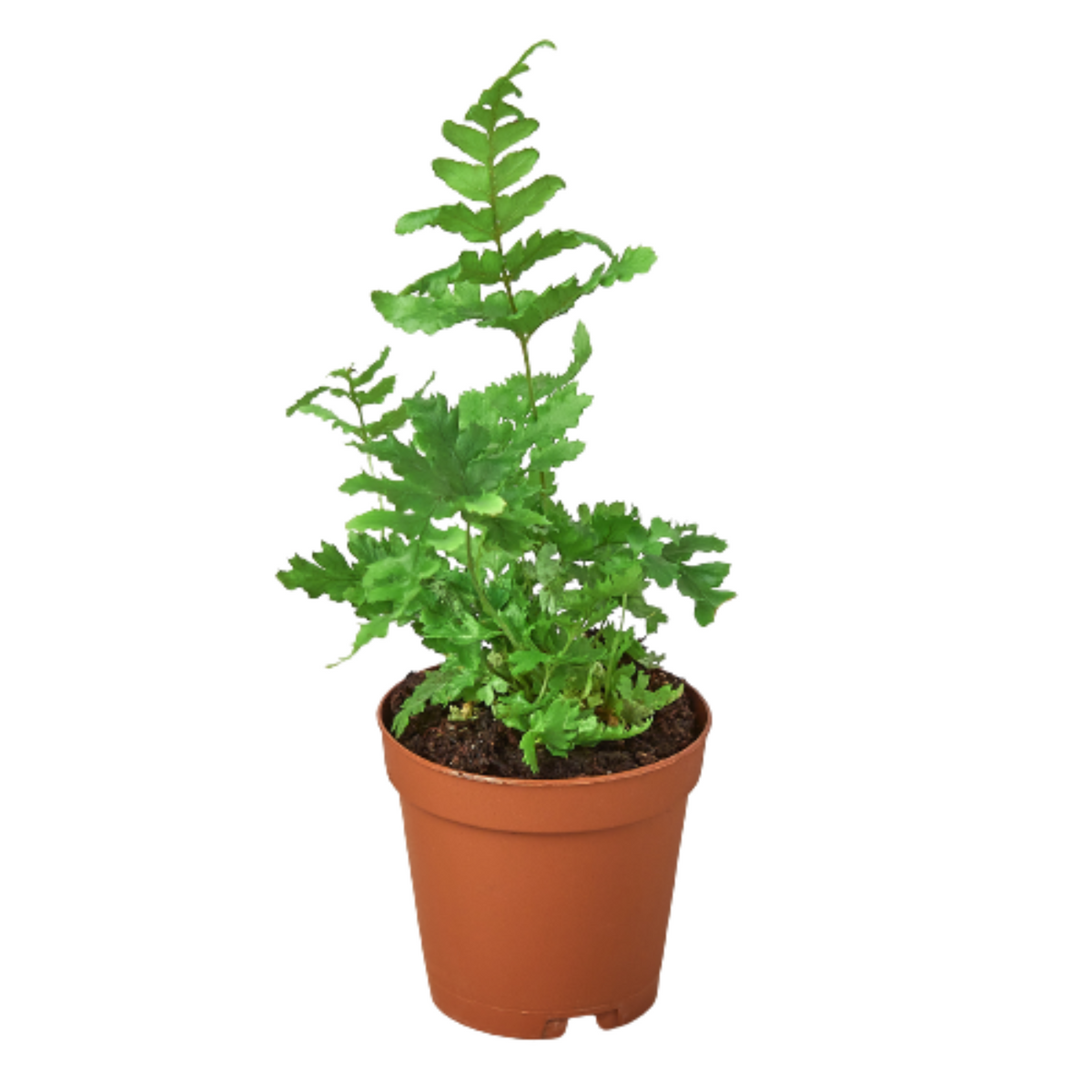
- Shipped fresh in a nursery pot, ready to thrive
Ships in a nursery pot. Decorative pot not included. Plant size and coloration may vary by season — new growth will be most vibrant in spring.
 Chat with us