House Plant Dropship
Aloe Vera
Aloe Vera
Couldn't load pickup availability
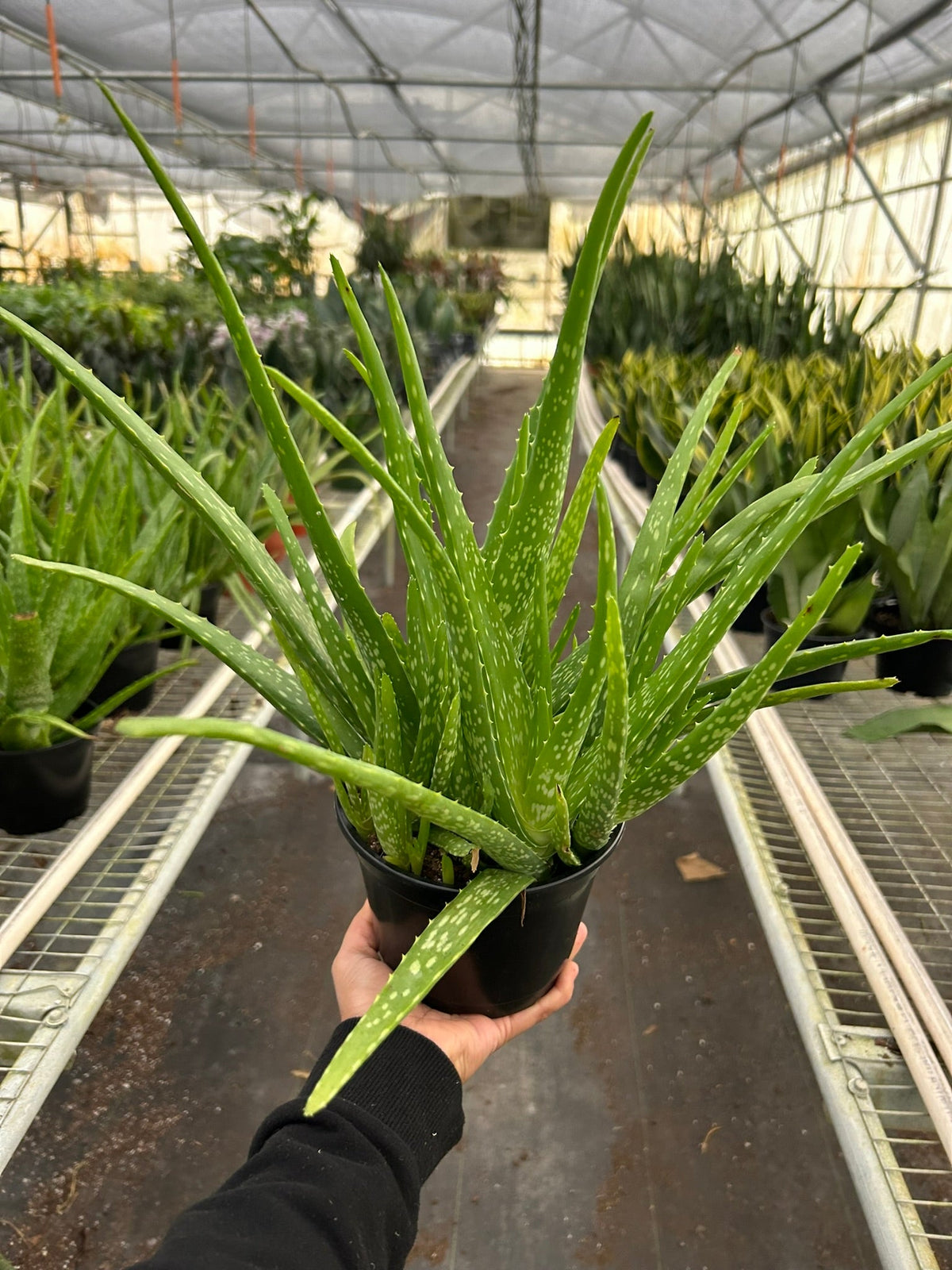
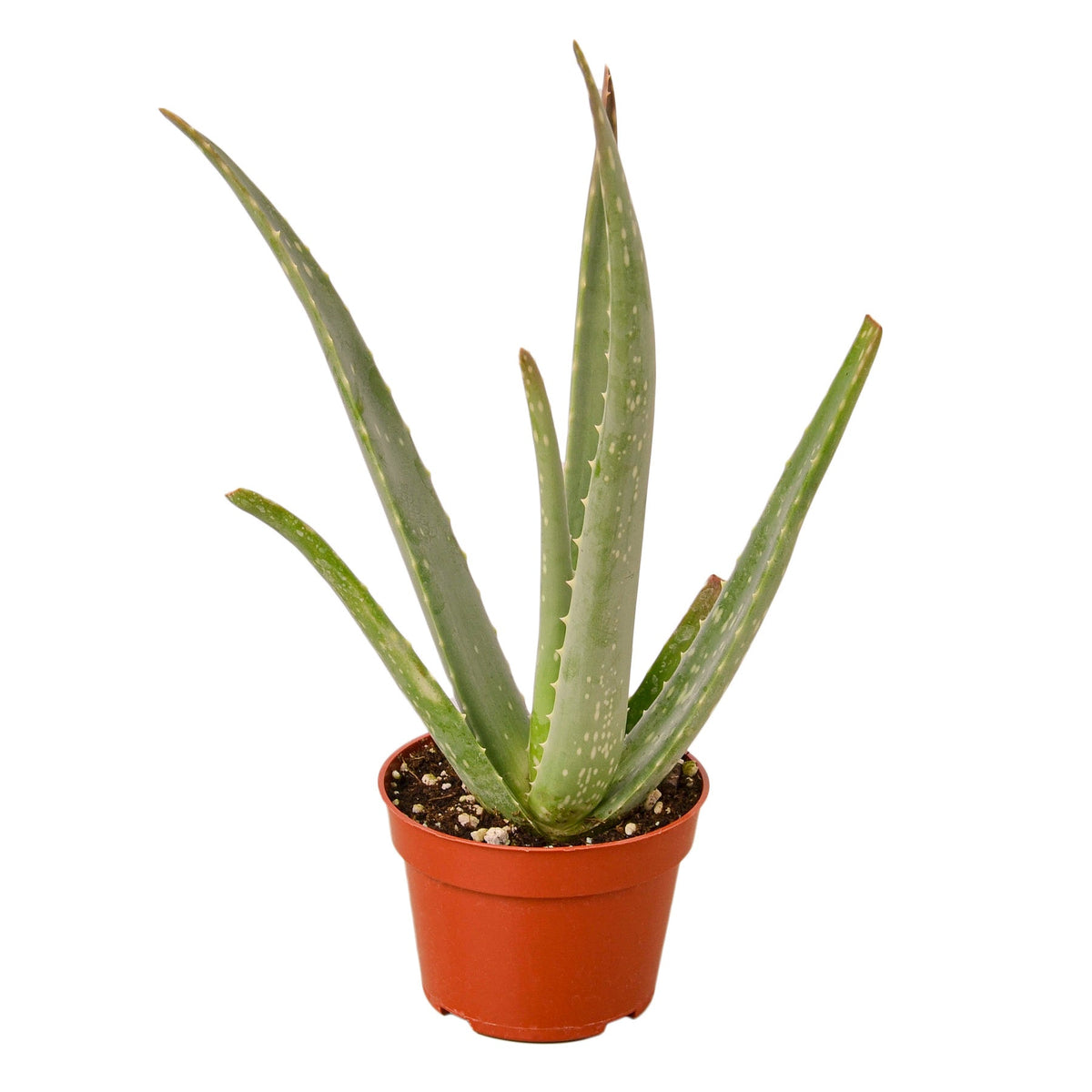
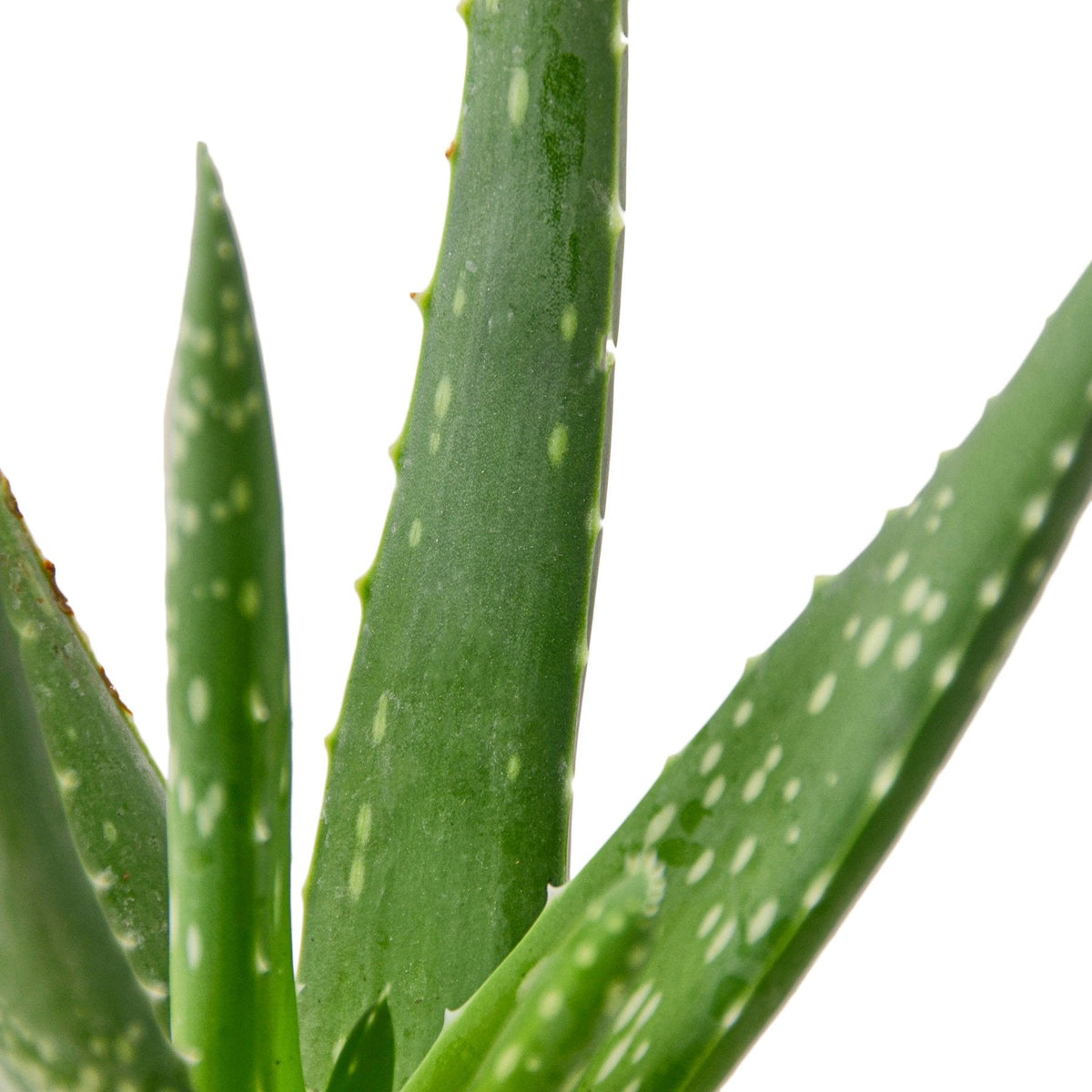
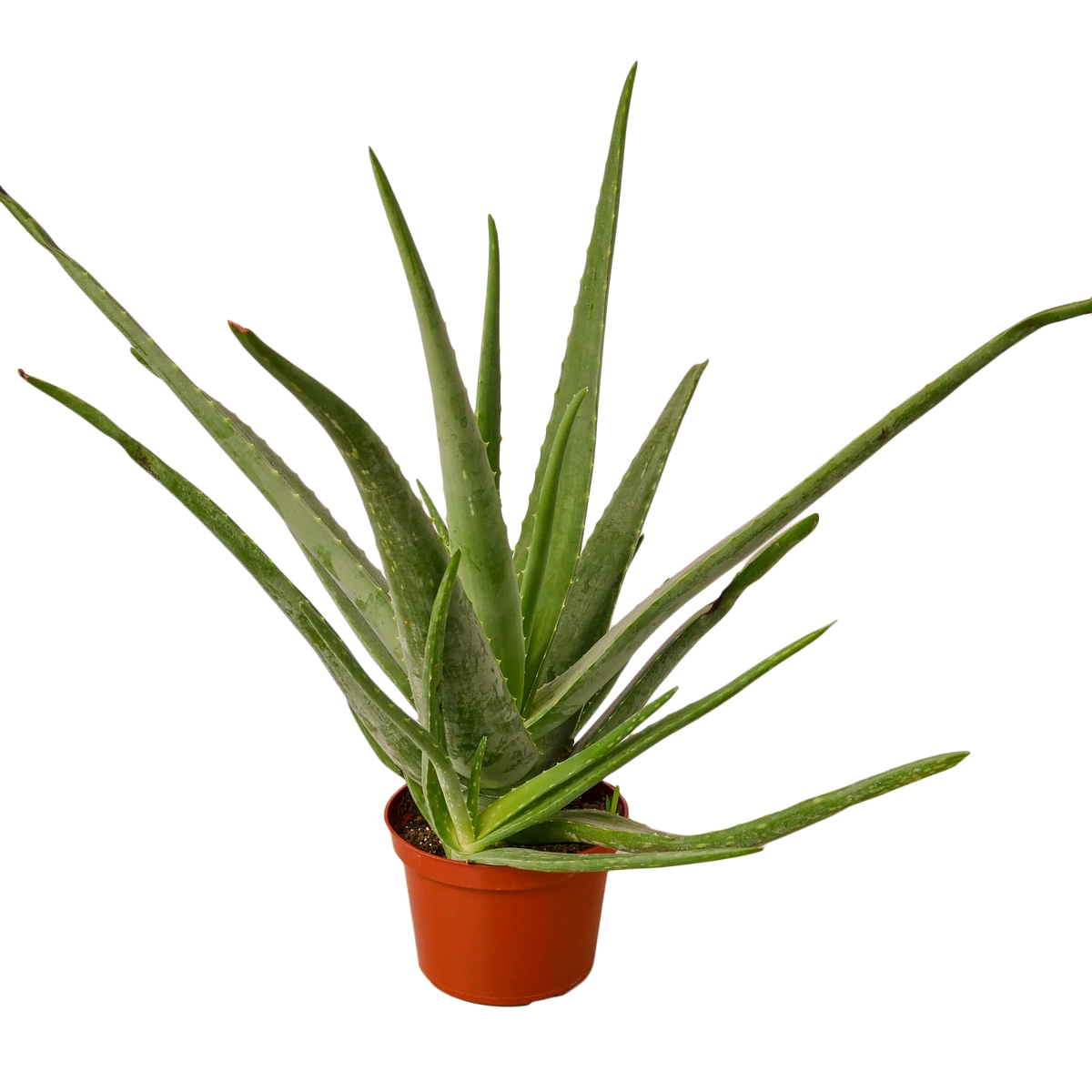
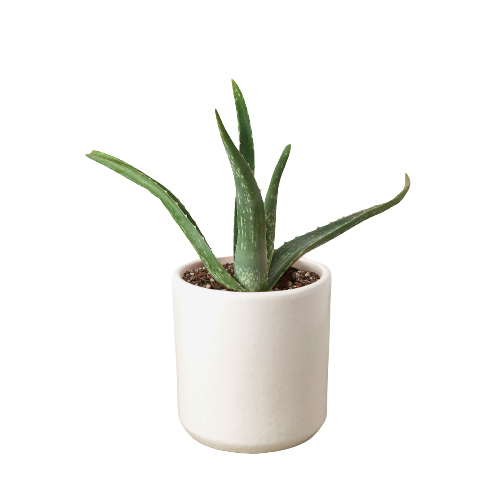
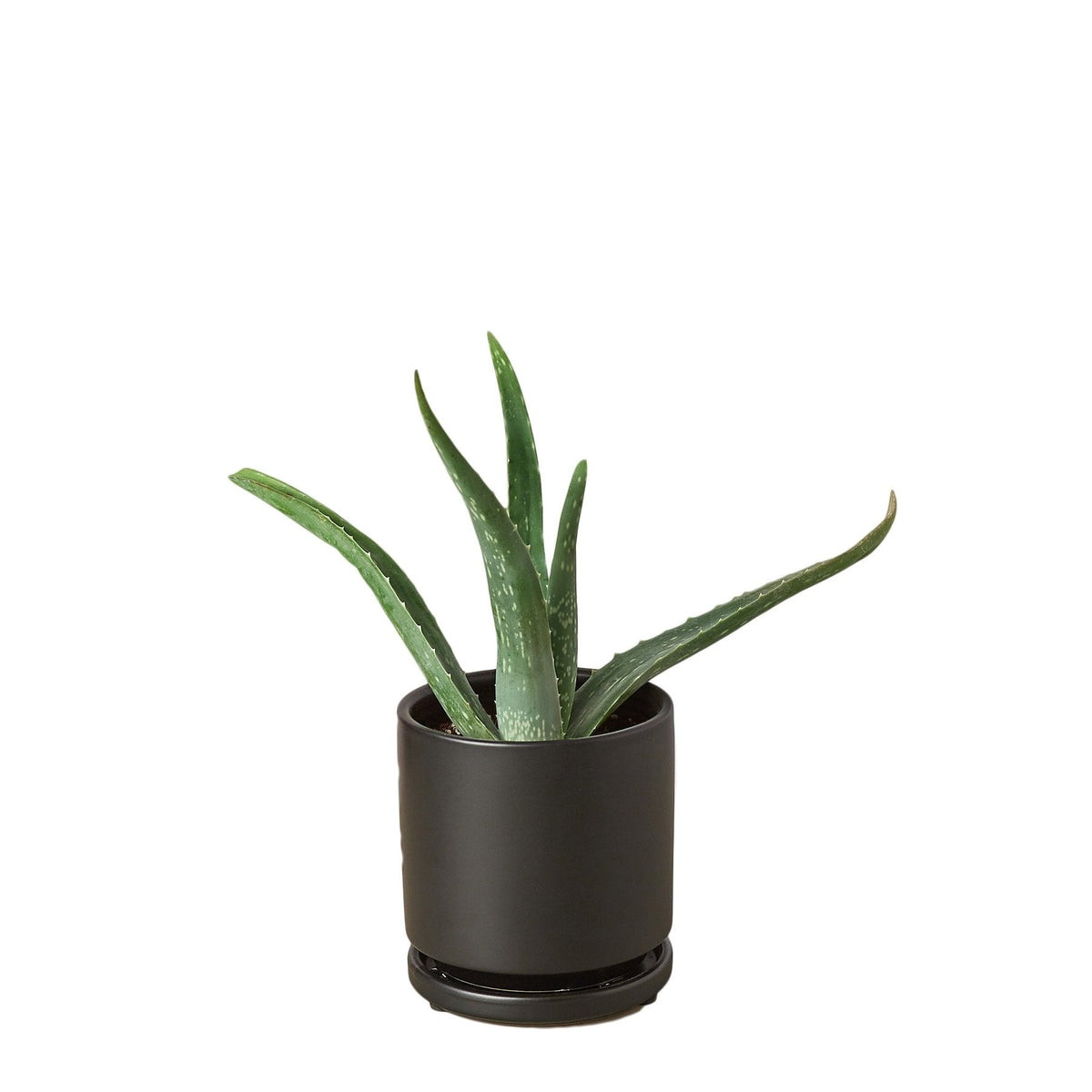
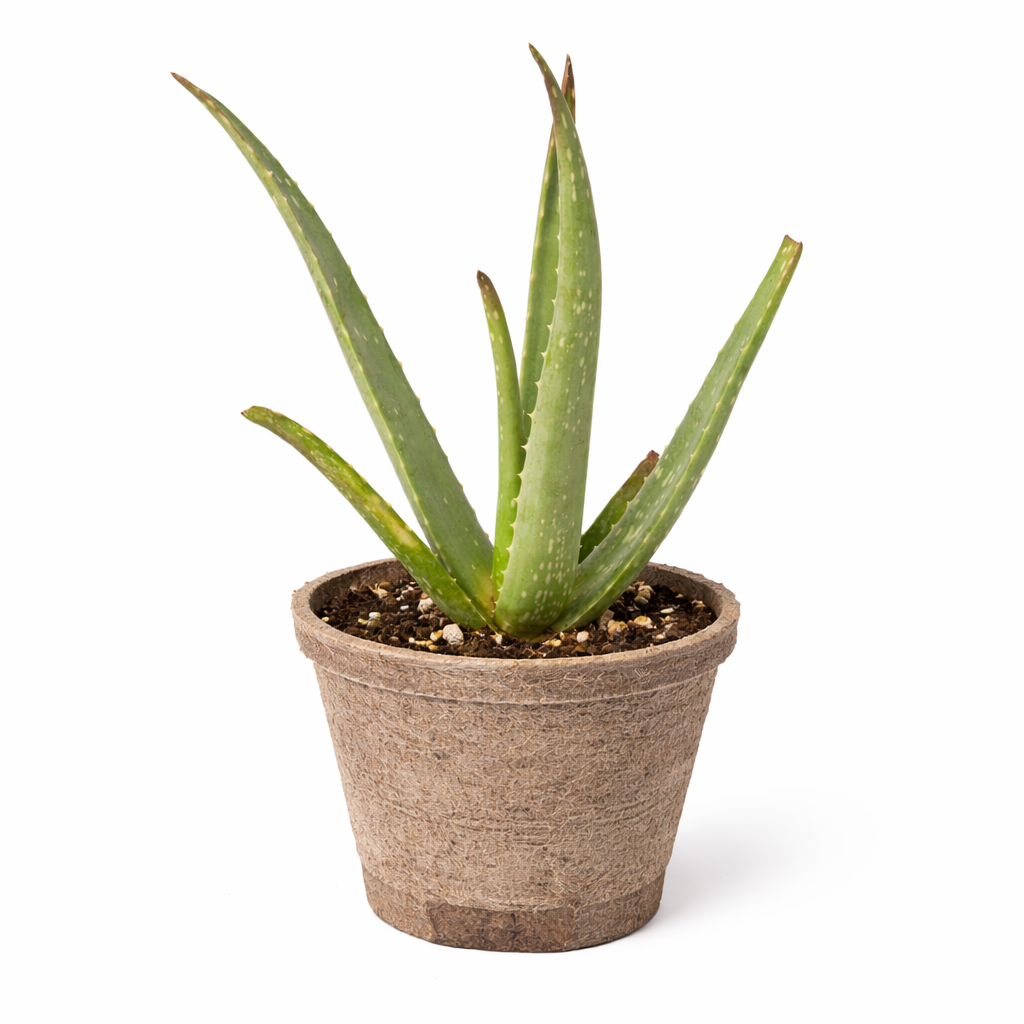
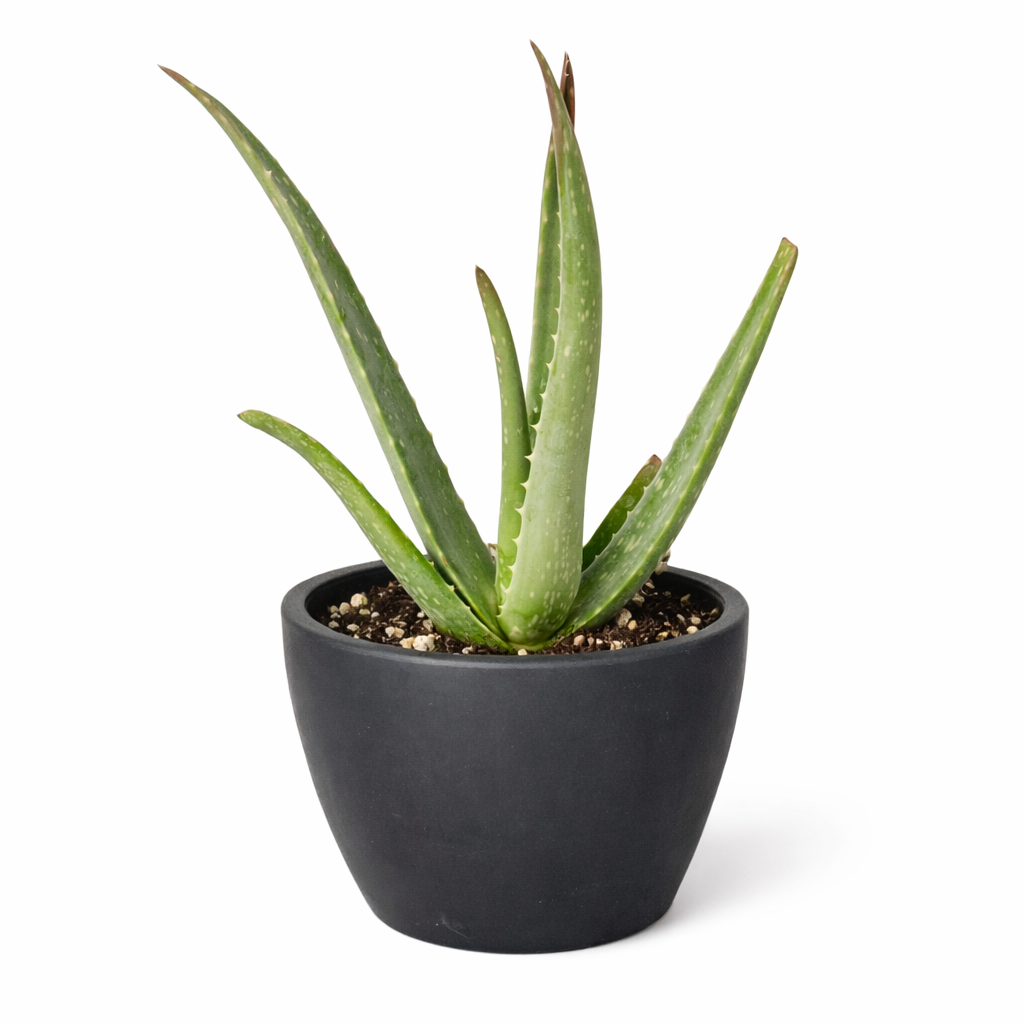
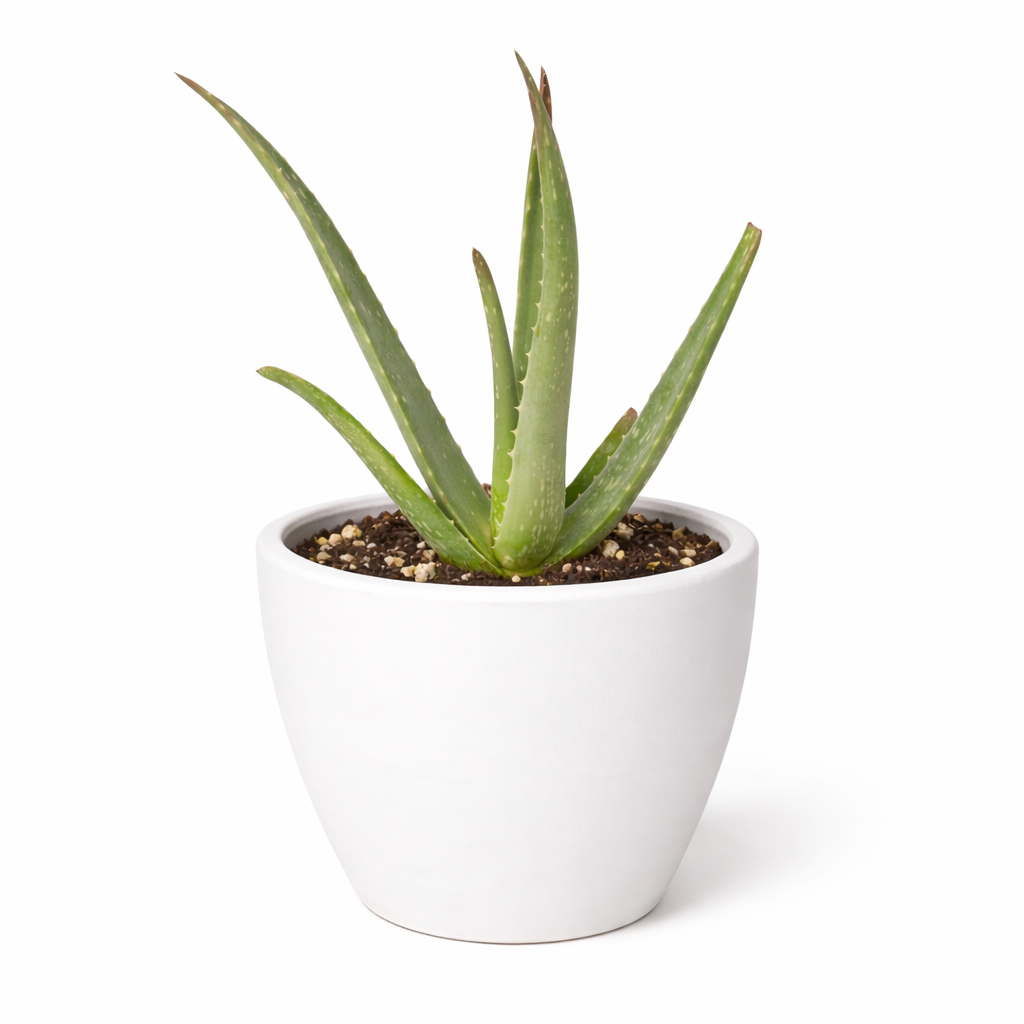
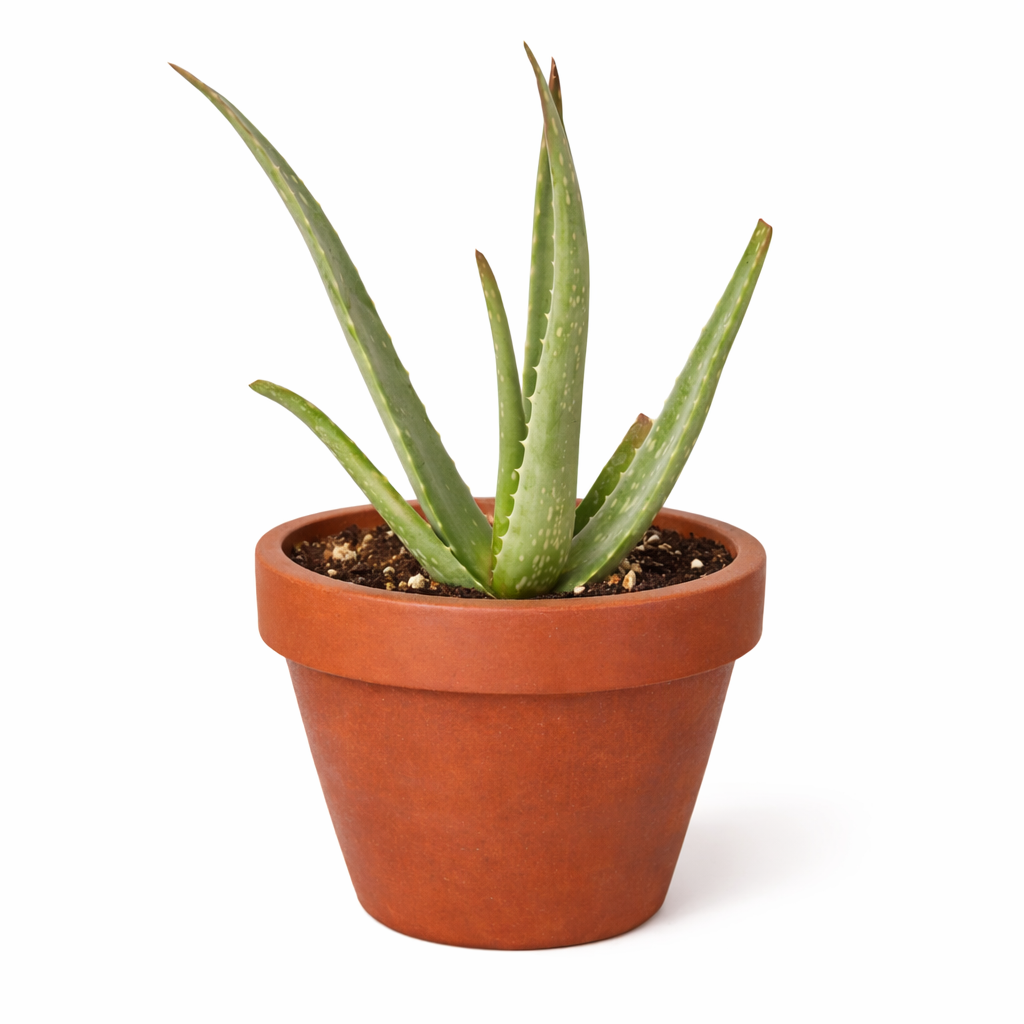
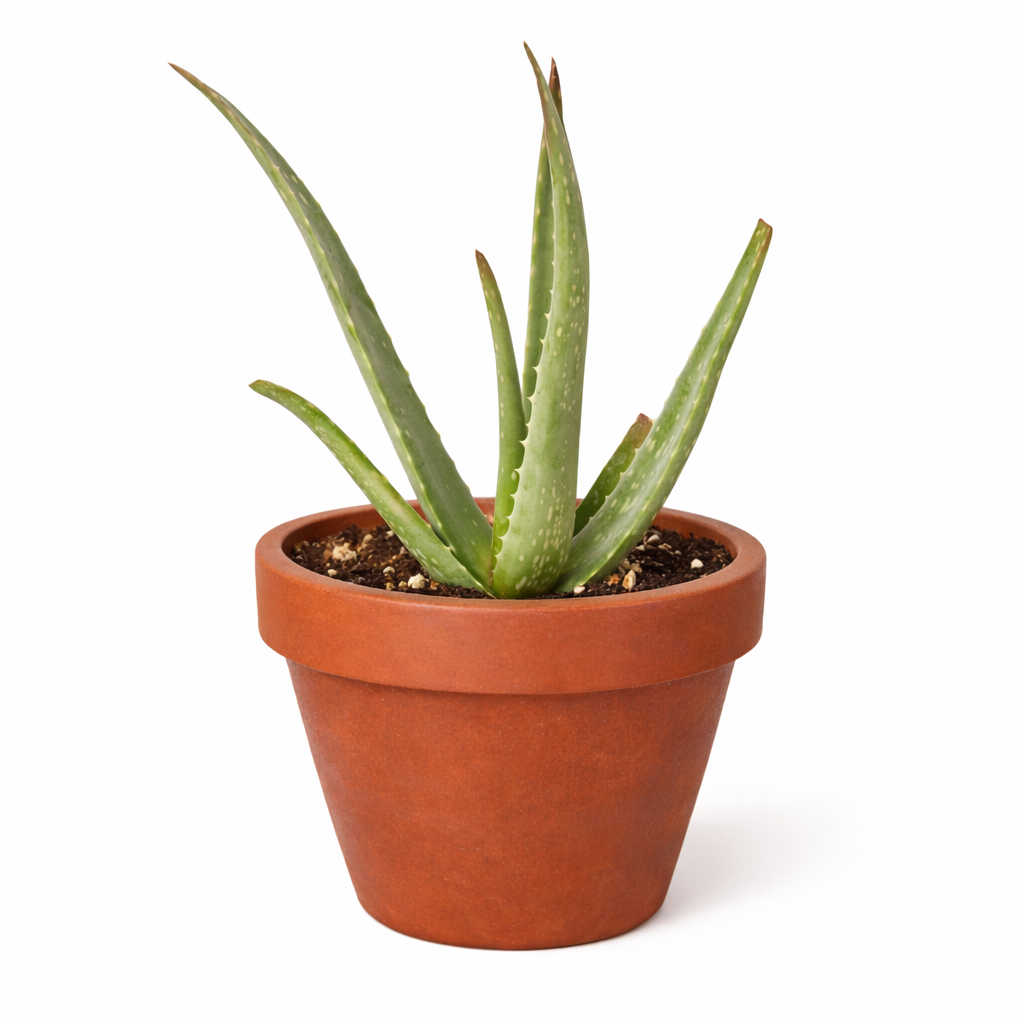
Some plants earn their place on the windowsill. Aloe Vera earns a place in your life. For thousands of years, this remarkable succulent has been the go-to plant for beauty rituals, first aid, and effortless indoor greenery — and it's easy to see why. With its striking rosette of thick, fleshy, silver-green leaves edged with soft teeth, Aloe Vera is as beautiful as it is useful. Whether you're a first-time plant parent or a seasoned collector, this is one plant that will never let you down. Browse our full houseplant collection or explore our best easy-care plants for more low-maintenance favorites.

🌿 Plant Details
- Botanical Name: Aloe barbadensis Mill.
- Common Names: Aloe Vera, True Aloe, First Aid Plant, Burn Aloe, Chinese Aloe
- Family: Asphodelaceae
- Origin: Arabian Peninsula; naturalized worldwide in tropical and subtropical regions
- Plant Type: Succulent / Perennial
- Growth Habit: Stemless rosette, spreading via offsets ("pups")
- Mature Size: 12–24" tall and wide indoors; up to 3–4 ft outdoors in warm climates
- Bloom: Yellow to orange tubular flowers on tall spikes (60–90 cm) in summer on mature plants
- Available Sizes: 3" pot, 4" pot, 6" pot
- Pot Options: Nursery Pot, Eco Pot Terra Cotta, Eco Pot Black, Eco Pot White, Black Cylinder, White Cylinder, Cow Pot
- Growth Rate: Slow to moderate — gains 2–3" per year indoors
- Lifespan: Can live 5–25 years with proper care
✨ Why You'll Love It
- 🌵 Nearly indestructible — thrives on neglect, perfect for busy lifestyles and beginner plant parents
- 💧 Drought-tolerant — stores water in its thick leaves, so missing a watering (or three) is no problem
- 🌬️ Air-purifying — helps filter indoor air, making your home feel fresher and cleaner
- 🌞 Adaptable lighting — thrives in bright light but tolerates a wide range of indoor conditions
- 🌸 Summer bloomer — mature plants produce stunning yellow-orange tubular flowers on tall spikes
- 🌱 Self-propagating — produces "pups" (offshoots) you can separate and grow into new plants
- 📦 Ships healthy and established — carefully packed and ready to thrive the moment it arrives
- ⚠️ Pet safety note: Aloe Vera is toxic to cats and dogs if ingested — keep out of reach of curious pets
💡 Complete Care Guide
☀️ Light: Aloe Vera loves bright, indirect light and can handle a few hours of direct sun. A south- or west-facing window is ideal. It will tolerate lower light but may become leggy and pale over time — if this happens, move it to a brighter spot. Rotate the pot every few weeks for even, balanced growth.
💧 Watering: Less is always more with Aloe. Water deeply, then allow the soil to dry out completely before watering again — typically every 2–3 weeks in summer and once a month in winter. Always check the soil 2" deep before watering; if it's still moist, wait. The #1 cause of Aloe death is overwatering and root rot. When in doubt, wait another week. Use a pot with drainage holes and never let Aloe sit in standing water.
🌡️ Temperature & Humidity: Thrives in 55–80°F (13–27°C). Keep away from cold drafts, frost, and air conditioning vents. Aloe is not frost-hardy and will suffer below 50°F. Unlike tropical houseplants, Aloe prefers dry air and does not need added humidity — average household humidity is perfect.
🌱 Soil: Use a well-draining cactus or succulent potting mix. You can improve drainage further by mixing in perlite or coarse sand (roughly 50/50). Good drainage is non-negotiable — never let Aloe sit in soggy soil.
🌾 Fertilizing: Aloe is a light feeder. Feed once in spring and once in early summer with a balanced liquid fertilizer diluted to half strength. Do not fertilize in fall or winter when growth slows. Over-fertilizing causes tip burn and weak, floppy growth.
🪴 Repotting: Repot every 2–3 years or when the plant becomes root-bound, top-heavy, or is producing many pups. Choose a pot only 1–2 inches larger in diameter with drainage holes. Terra cotta pots are ideal as they allow the soil to breathe and dry faster between waterings. Spring is the best time to repot.
🌿 Propagation via Pups: Aloe Vera regularly produces offshoots ("pups") at the base of the mother plant. When pups are at least 3–4" tall and have their own roots, gently separate them from the mother plant with a clean knife and pot them individually in well-draining mix. Allow the cut end to callous for 24 hours before planting. This is one of the most rewarding aspects of growing Aloe!
🐛 Common Problems & Fixes:
- Brown, mushy leaves at the base: Root rot from overwatering. Remove affected roots, let dry, repot in fresh dry mix.
- Pale, washed-out leaves: Too much direct sun or too little light. Adjust placement.
- Thin, curling leaves: Underwatering. Give a deep, thorough watering.
- Leggy, leaning growth: Insufficient light. Move to a brighter location.
- Brown leaf tips: Low humidity (rare for Aloe), fluoride in tap water, or over-fertilizing. Switch to filtered water.
🐾 Pet & Family Safety
Important: Aloe Vera is toxic to cats and dogs if ingested, causing vomiting, lethargy, and digestive upset. Keep this plant out of reach of pets. If you're looking for pet-safe plant options, explore our pet-friendly plant collection.
🌵 You Might Also Love
If you love the easy-going nature of Aloe Vera, you'll want to explore these other stunning succulents from our collection:
- Aloe Solar Flare — a dramatic, colorful Aloe variety with fiery orange tones
- Haworthia Miami — a compact, architectural succulent perfect for small spaces
- Gasteria Zimflora — a rare, low-light-tolerant succulent with striking spotted leaves
Browse our full air-purifying houseplants collection for more plants that work as hard as they look beautiful.
Shipped in your chosen pot size and style. As a living product, slight variations in leaf count, size, and color are natural and expected. Each plant is unique!
 Chat with us