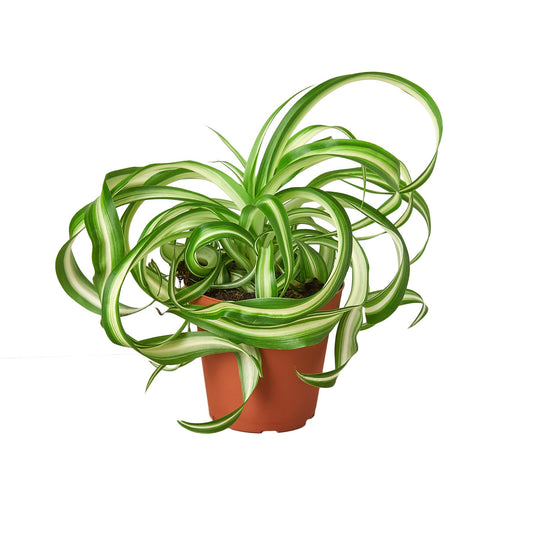
Air-Purifying Houseplants — Breathe Cleaner, Live Greener
Indoor air can be 2–5x more polluted than outdoor air — and the right houseplants can help. Our air-purifying houseplants collection features NASA-recommended varieties that naturally filter formaldehyde, benzene, xylene, and other indoor toxins while producing fresh oxygen and boosting humidity. Beautiful, functional, and completely natural. 🌬️🌿
According to NASA's landmark Clean Air Study, certain houseplants absorb airborne toxins through their leaves and roots, convert CO₂ to oxygen, and support beneficial soil microbes that break down harmful substances.
How Air-Purifying Plants Work
- 🌱 Absorb toxins — leaves and roots filter formaldehyde, benzene, xylene & more
- 💧 Boost humidity — natural transpiration reduces dry air and respiratory discomfort
- ☀️ Produce oxygen — photosynthesis converts CO₂ to fresh oxygen daily
- 🪱 Microbial support — beneficial soil microbes break down additional pollutants
❓ Frequently Asked Questions: Air-Purifying Plants
What are the best NASA-recommended air-purifying houseplants?
NASA's top air-purifying houseplants include Snake Plants (benzene, formaldehyde, xylene), Peace Lilies (ammonia, benzene, formaldehyde), Spider Plants (formaldehyde, carbon monoxide), Pothos (xylene, benzene), Dracaenas (formaldehyde, trichloroethylene), and Areca Palms (xylene, toluene).
How many air-purifying plants do I need?
NASA recommends one or two mature plants per 100 square feet of living space for meaningful air quality improvement. Focus on rooms where you spend the most time — bedrooms, home offices, and living rooms.
Which air-purifying plants are safe for pets?
Pet-safe air-purifying plants include Spider Plants, Areca Palms, Boston Ferns, Bamboo Palms, and Money Trees. The Peace Lily, Snake Plant, and Pothos are toxic to cats and dogs. See our pet-friendly collection for safe options.
Do air-purifying plants really work?
Yes — NASA's Clean Air Study confirmed that certain houseplants effectively remove common indoor pollutants. While plants alone won't replace ventilation, they meaningfully contribute to cleaner indoor air, especially in sealed modern homes where toxins from furniture, paint, and cleaning products accumulate.
📚 Read Our NASA Air-Purifying Guide